
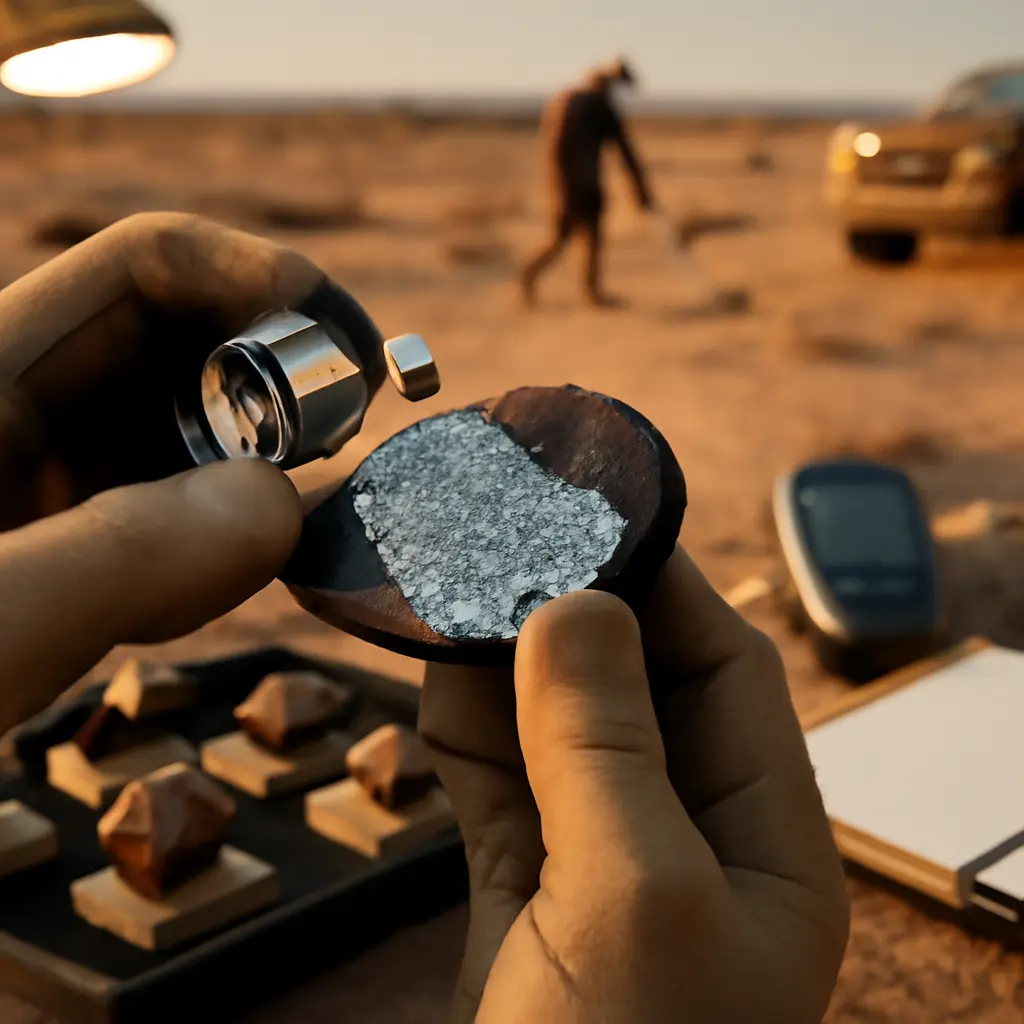
Meteorite Collecting Secrets: What Experts Won't Tell New Collectors
Unlock meteorite collecting secrets experts won't tell new collectors: insider ID tips, where to search, legal pitfalls and how to build a prized collection fast. AustroMeteor
Unlock meteorite collecting secrets experts won't tell new collectors: insider ID tips, where to search, legal pitfalls and how to build a prized collection fast. AustroMeteor
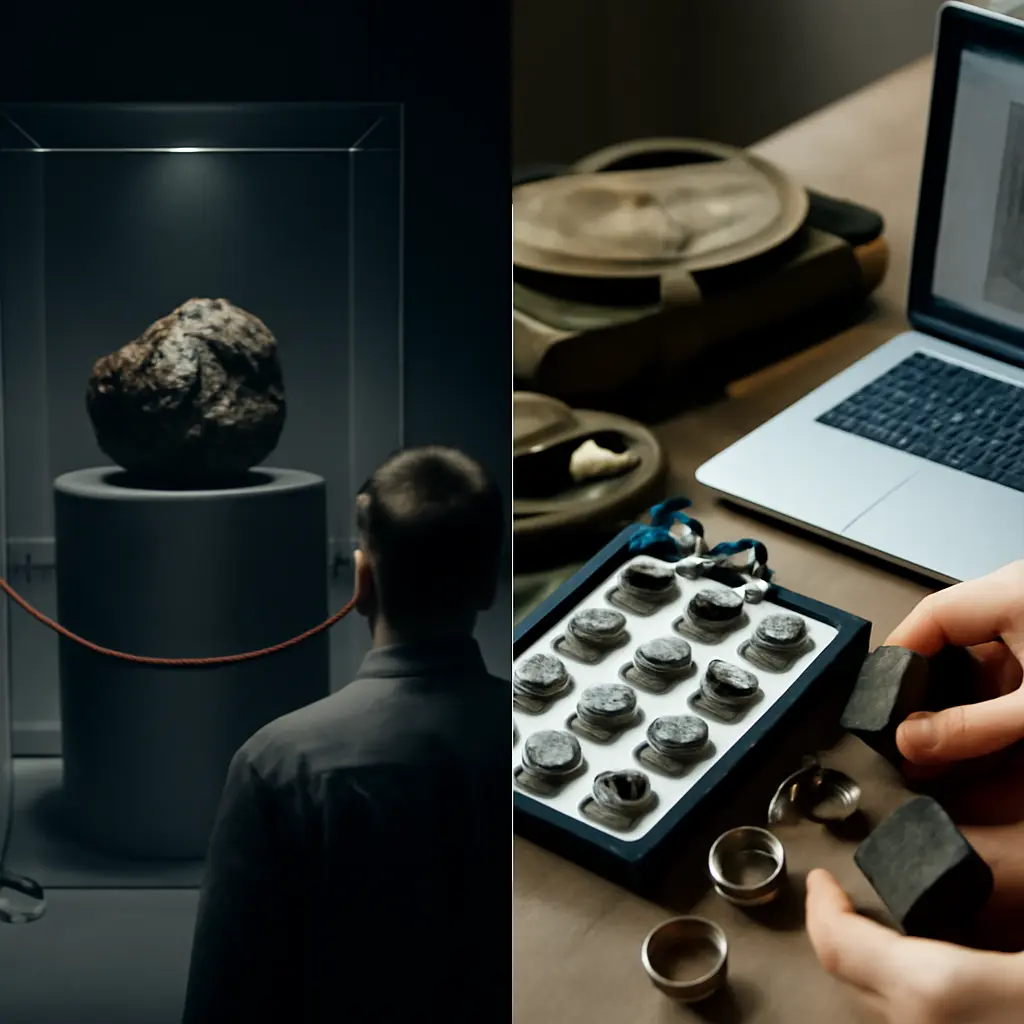
Learn why chasing rare meteorites doesn't work for new collectors and how to build a smarter, affordable collection without costly mistakes. AustroMeteor
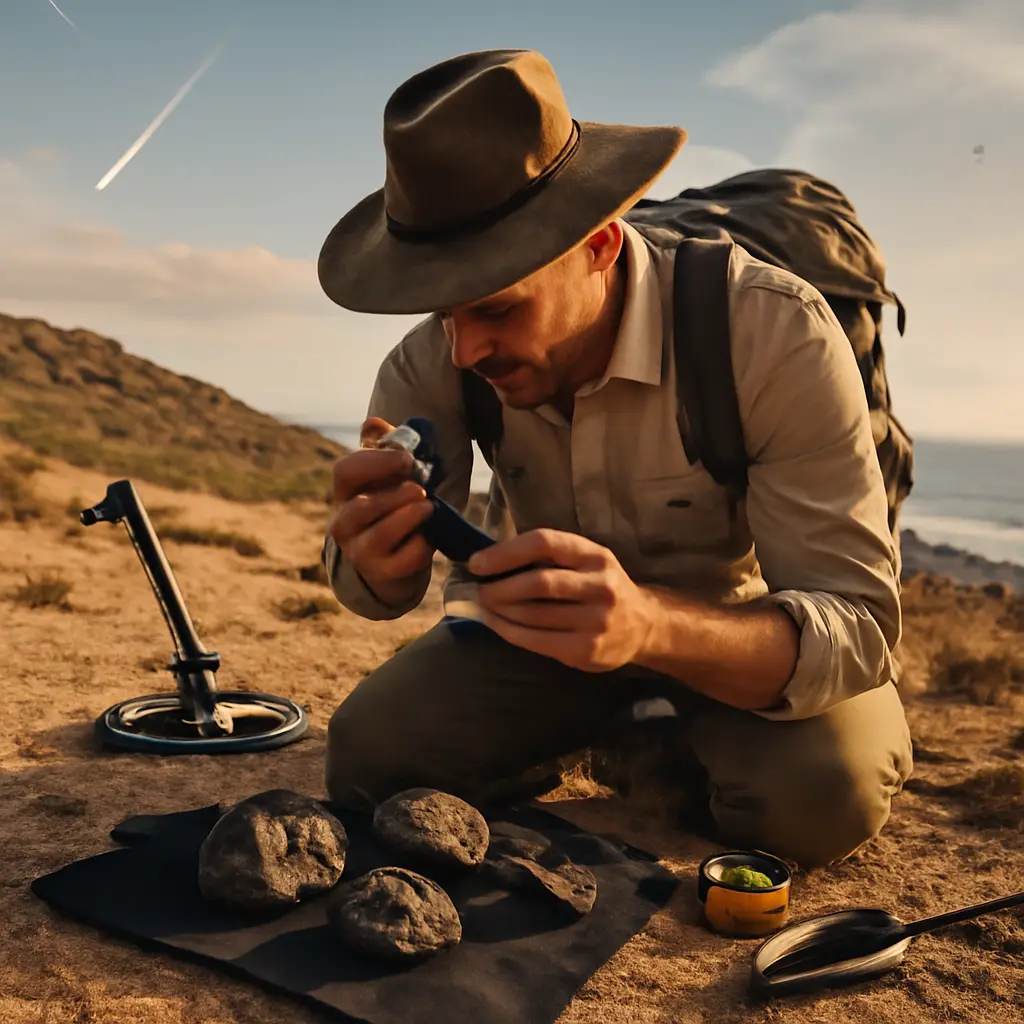
Discover 9 little-known spots to find meteorites every collector should try — insider tips, regional hotspots and search strategies to boost your finds. AustroMeteor
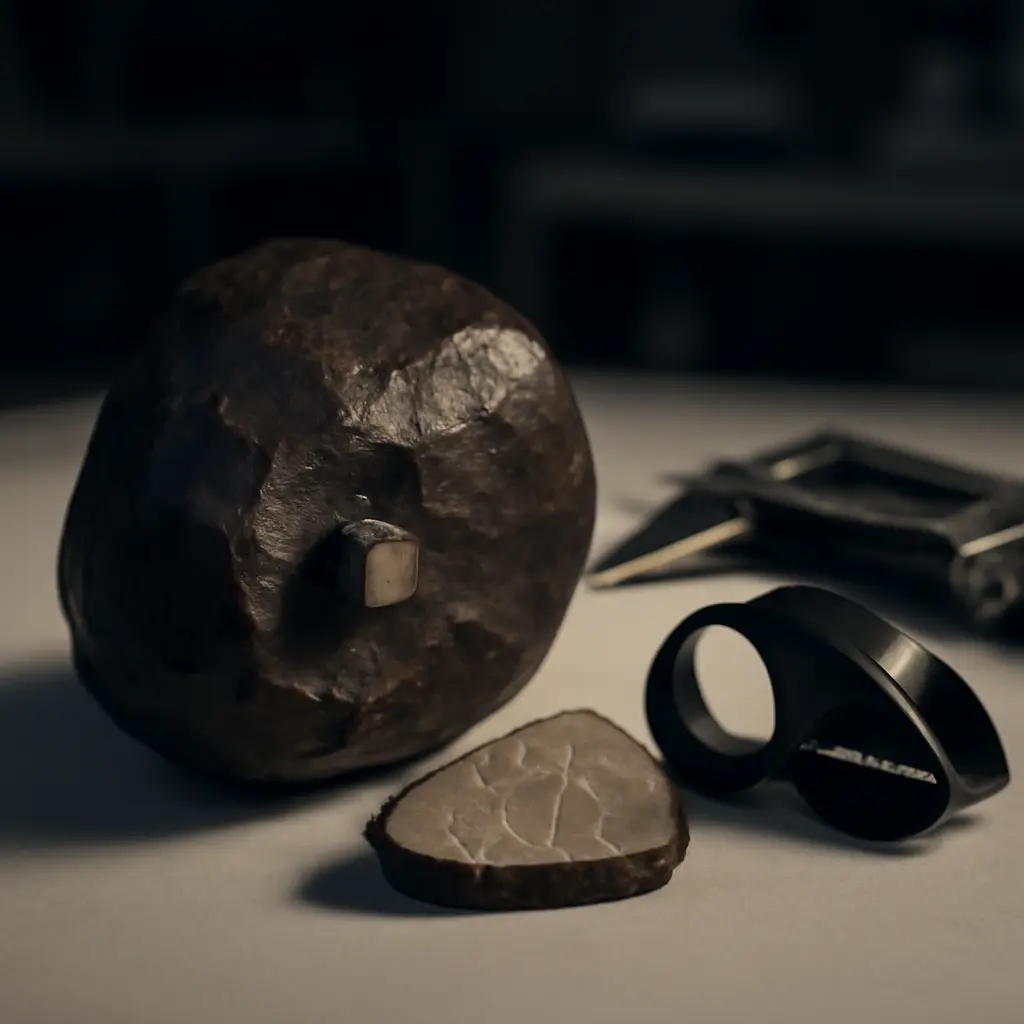
Separate real meteorites from ordinary rocks with expert-backed tests. This guide covers magnetic, visual, and laboratory methods to authenticate your specimen. AustroMeteor AustroMeteor

Meteorite price guides often mislead collectors with outdated data. Discover what truly determines value—rarity, provenance, and market demand—and how to price accurately.
Uncover meteorite collecting secrets the experts keep hidden—plus discover how to claim free spiny zdarma and boost your hunt with tips that actually work.

Both apps fight for your attention, but which truly drains your day? Explore the time cost of gaming habits and mobilní casino aplikace versus meteor-tracking tools. Find out what's worth your hours.
Comments
Bought a "rare" chondrite off a laminated price sheet; it had heavy weathering and no paperwork, and completed auction sales later showed I overpaid by about 50%. Live sales and provenance really do beat flat per‑gram guides.
Interesting point about the learning curve for meteorite apps — I didn’t realize it could take weeks to get genuinely proficient before fieldwork really benefits.
I never realized how much provenance can swing a meteorite’s value—just a documented recovery versus no paperwork can make such a huge difference.
I never realized how much more actionable meteorite apps are compared to casino apps—tracking a fireball’s trajectory feels way more rewarding than just spinning slots.
I never realized how much a casino app could eat up hours until I compared it with my meteorite tracking routine—seeing the session stats side by side was honestly eye-opening.
I never realized how much market timing could affect a meteorite’s value—selling right after a big fall can really multiply the price, which makes me rethink some of my past purchases.
The two-week screen time audit idea sounds doable, but how are you supposed to label a session “intentional vs automatic” if you open the meteor app from a push alert—does that count as reflex or planning?
That bit about fusion crust weathering off in moist areas surprised me—so a rusty brown surface doesn’t automatically mean “fake”? I’ve been passing on a few finds because they didn’t have the black crust everyone talks about.
The part about reclassification in the Meteoritical Bulletin hit home—how do you verify a seller’s listed subtype/shock grade if you’re just buying online and don’t have lab access?
That bit about fusion crust weathering off in moist climates is reassuring—I’ve had a rusty “meteorite” for years and kept doubting it. For the DMG nickel test, do you need to file down to fresh metal first or will it work on an oxidized surface?
The two-to-four week learning curve for meteorite apps surprised me; is that mostly about interpreting trajectory models, or just getting used to the UI and data sources?
The bit about fusion crust weathering off in a few hundred years surprised me—so if I’m hunting in a wet climate, is the density + nickel DMG combo really enough to rule out most “magnetic” fakes?
When you say to use completed eBay listings instead of active ones, do you filter for stuff with real provenance paperwork, or do you treat those as a separate pricing tier altogether?
The part about fusion crust weathering off in moist areas surprised me—so if you find a rusty-looking stone, what’s the quickest way to check for chondrules without lab gear?
The bit about fusion crust weathering off fast was eye-opening — if it’s rusty brown in a damp area, what’s your go-to “first check” before spending on lab work?
That point about checking completed eBay listings instead of active prices hit home—I've definitely used asking prices as “market value” and overpaid. How far back do you usually go for comps when demand spikes after a big fall?
Reclassification catching people off guard is something I hadn't considered before — makes sense that a specimen jumping to a rarer subcategory would instantly make old price sheets useless.
Never thought about doing a density calculation with water displacement, but that makes total sense as a step before committing to a lab submission.
Reclassification events are something I had no idea could affect value so dramatically — found out the hard way when a specimen I bought as a rare subtype got paired with a newly recovered fall and the price tanked.
I had no idea slag could fool so many people -- the vesicle tip is genuinely useful, I almost bought a piece that looked exactly like that at a swap meet last year.
Reclassification events are something I had no idea could affect value so dramatically — had a piece I bought as an L5 that got reclassified and the price swings afterward were eye-opening.
Didn't know about the streak test before — just tried it on a rock I've had sitting on my shelf for years and got a strong red mark, so that's clearly hematite and not what I was hoping for.
Never thought about measuring density with water displacement for rock authentication before -- that step actually makes a lot of sense given how metallic meteorites tend to be noticeably heavier than they look.
Never realized slag could fool so many people until I found what I was convinced was an iron meteorite, only for the streak test to expose it immediately.
Had no idea slag could fool so many people — the vesicle tip is something I wish I'd known before wasting time on a few "finds" that turned out to be industrial waste.
The point about reclassification events is something I learned the hard way — bought a piece based on a guide price, and by the time I went to resell it the classification had changed and the whole market had shifted.
Had no idea the streak test was so simple yet effective -- I've been sitting on a rock I found hiking that I always assumed was just slag, but now I'm curious enough to actually try this before dismissing it.
I had no idea iron slag could be so convincingly magnetic and heavy. The vesicle tip is something I wish I had known before wasting money on what turned out to be industrial waste from a construction site near my house.
Didn't know vesicles were such a reliable tell for slag until now — I've been fooled by that exact thing twice at swap meets.
Honestly had no idea about the streak test for distinguishing magnetite from actual meteorites. I've got a few "specimens" I should probably retest now.
Tried a dry lake bed last year — a magnet picked up a small iron lump near a shoreline ridge after a storm. Bringing GPS and asking landowners for permission beforehand saved a lot of headaches.
I tried a dry lake bed once and the magnet trick worked—found a small iron nodule near a mud crack, so the "search after storms" tip is spot on. Any practical tips for documenting finds when landowners are hesitant to sign anything?
Tried walking a playa after a storm like you suggested and found a small iron nodule; the magnet test saved the day. Documenting GPS made reporting it to the local museum much easier.
I started with ordinary chondrites and used the magnet test like the article suggested — it saved me from buying a suspicious "rare" iron and taught me what to look for before spending big.
I like the practical steps, but the "Casino review ratings" analogy feels a bit off — gambling sites and meteorite dealers operate differently. Can those same reputation metrics really translate to proving provenance and authenticity?
I started with ordinary chondrites and a simple magnet test saved me from buying a fake iron. Joining a local club helped me learn ID skills before spending big.