

The Illusion of the Definitive Price Guide
Every serious meteorite collector has encountered them: the laminated price sheets at gem shows, the downloadable PDFs promising "current market values," and the forum posts declaring exactly what any given specimen should fetch. For newcomers to the hobby, these resources feel like a lifeline — a shortcut to understanding a complex and often opaque market. The reality, however, is far more complicated, and experienced collectors know that treating any static price guide as gospel is one of the most expensive mistakes you can make.
The world of meteorite collecting shares a striking resemblance with other niche markets where valuations shift constantly and expertise is genuinely hard-won. Just as a seasoned researcher quickly learns that not all information sources are created equal, collectors must develop the critical instinct to question where a price figure comes from and when it was last verified. Whether you are evaluating a rare pallasite or a common chondrite, the tools you use to assess value will determine whether you walk away with a treasure or an overpriced paperweight.
Why Price Guides Become Outdated Almost Immediately
The Speed of Market Change
Meteorite markets move in ways that most price-guide authors simply cannot keep pace with. A single high-profile auction can revalue an entire meteorite type overnight. When a famous fall like Chelyabinsk or Tissint makes headlines, demand spikes, supply tightens, and the price-per-gram figures from guides published even six months prior become dangerously misleading. Major platforms like eBay, Heritage Auctions, and Bonhams process meteorite transactions daily — each sale is a fresh data point that no static document can absorb in real time.
This dynamic is not unlike what happens in the world of online casino review ratings, where platform conditions — bonus structures, payout speeds, and regulatory changes — evolve on a near-daily basis. Reputable casino review sites address this by continuously updating their assessments rather than relying on a single annual evaluation. For meteorite collectors, the lesson is identical: real-time market monitoring will always outperform any frozen snapshot of past prices.
Classification Complexity and Reclassification Events
One factor that makes meteorite pricing uniquely unstable is the ongoing work of scientific classification. The Meteoritical Bulletin, maintained by the Meteoritical Society, regularly updates specimen classifications as new research emerges. A meteorite initially catalogued as an L5 chondrite might be reclassified following spectral analysis, shifting it into a rarer subcategory and dramatically altering its collector value. Price guides written before a reclassification event are not merely outdated — they are structurally wrong.
Additionally, paired meteorites — fragments determined to originate from the same fall — can dilute the perceived rarity of a specimen. When dozens of new fragments are recovered and paired with a previously rare individual, effective supply increases and prices adjust accordingly. No printed guide can anticipate these discoveries, and no casino review ratings system that fails to account for new information entering the market remains trustworthy for long either.
Geographic and Currency Volatility
Most price guides are published in a single currency — typically US dollars or euros — and fail to account for how exchange rate fluctuations affect the global collector market. A strong dollar makes American specimens more expensive for European buyers; a weak euro shifts competitive dynamics at international shows. Currency exposure is a real pricing factor that static guides uniformly ignore, yet it can represent a 10–20% swing in effective purchasing power over the course of a year.
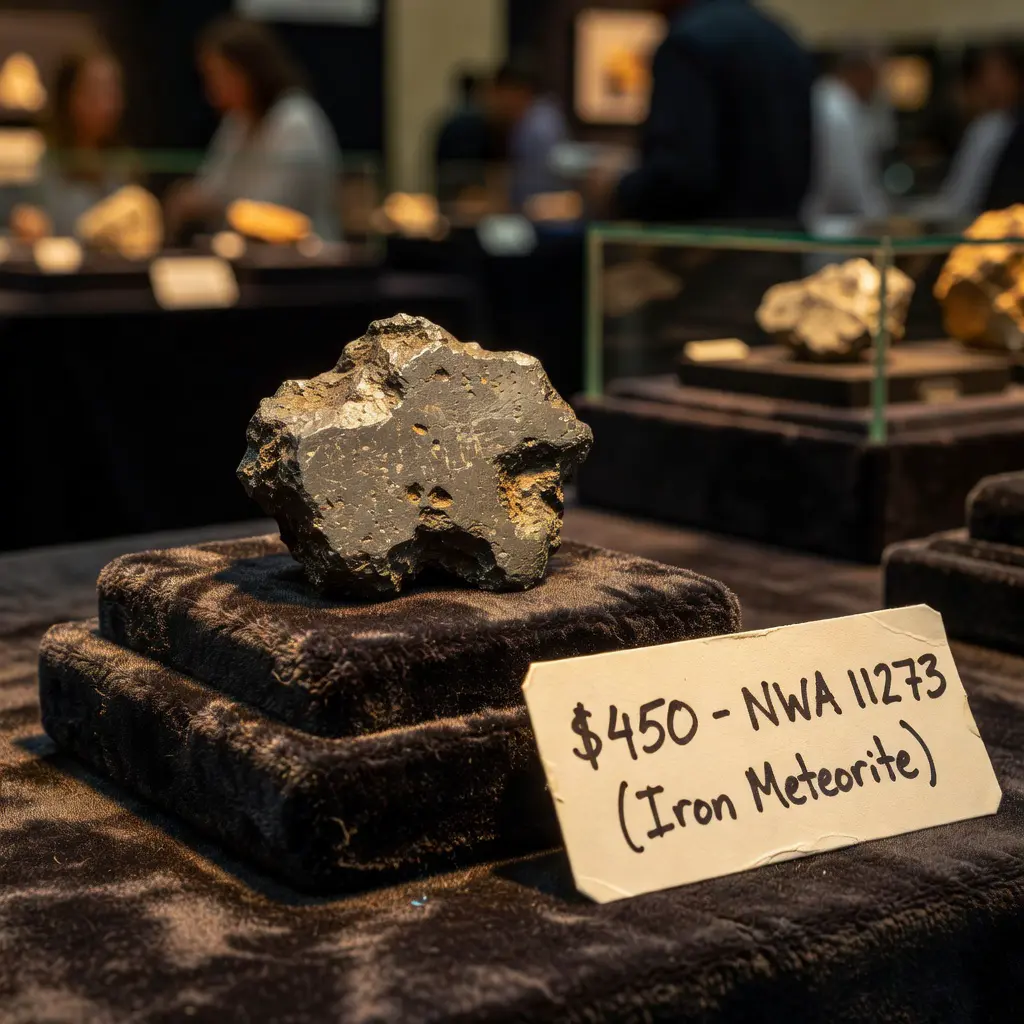
International buyers have learned to factor in these dynamics — much in the same way that informed users of casino comparison platforms account for regional differences when assessing bonus values and withdrawal terms. A bonus that looks generous in one market may be restricted or unfavorable in another once local rules and conversion costs are applied. The principle of context-dependent valuation applies equally to meteorites and to casino review ratings.
What Actually Determines Meteorite Value
Type, Rarity, and Scientific Classification
At the foundation of any credible meteorite valuation is a firm grasp of meteorite classification. The broad categories — stony (chondrites and achondrites), stony-iron (pallasites and mesosiderites), and iron meteorites — carry fundamentally different baseline values. Within each category, rarity is further stratified by subtype, shock grade, weathering grade, and petrographic type. A pristine CM2 carbonaceous chondrite commands a different market entirely from a heavily weathered H5 ordinary chondrite, even if both weigh exactly the same.
Lunar and Martian meteorites represent the extreme end of the rarity spectrum, regularly trading above $1,000 per gram. At the other end, the most common classes of ordinary chondrites may fetch as little as $0.50 to $5 per gram depending on condition. Understanding these tiers is non-negotiable for any serious hobbyist. If you are still learning to authenticate specimens, building a foundation in classification will also sharpen your ability to spot misrepresented pieces.
Provenance, Documentation, and Pedigree
Few factors elevate a meteorite's value more reliably than documented provenance. A meteorite with a verified recovery location, a recorded date of find, chain-of-custody records, and a published Meteoritical Bulletin entry is worth meaningfully more than an identical specimen with no paperwork. Institutional provenance — specimens that passed through museums, universities, or well-known private collections — adds another premium layer that buyers consistently pay for.
This mirrors how pedigree functions in collectibles markets broadly: a coin graded and slabbed by a recognised body, a vintage item with authenticated ownership history, or a casino platform validated by an independent auditing organisation all carry a trust premium that raw, unverified alternatives simply cannot match. The documentation is not bureaucratic formality — it is a risk-reduction mechanism that flat per-gram price guides almost never account for.
Condition, Fusion Crust, and Aesthetic Appeal
The physical condition of a meteorite specimen influences its market value well beyond what classification alone can predict. Key condition factors include:
- Fusion crust preservation: Fresh, intact fusion crust is the hallmark of a recently fallen or carefully recovered specimen and commands a significant premium over crusted-free alternatives
- Weathering grade: The Meteoritical Society's W0–W6 scale measures oxidation; low weathering grades (W0–W2) are substantially more desirable and more valuable
- Shape and visual character: Regmaglypts (thumbprint depressions), oriented forms, and striking visual textures all increase collector appeal independently of type
- Size and weight: Larger individuals are proportionally rarer and command size premiums, especially in aesthetically striking meteorite classes
- Presentation format: End-cuts with natural crust on one face and a polished interior cross-section are among the most sought-after display formats in the collector market
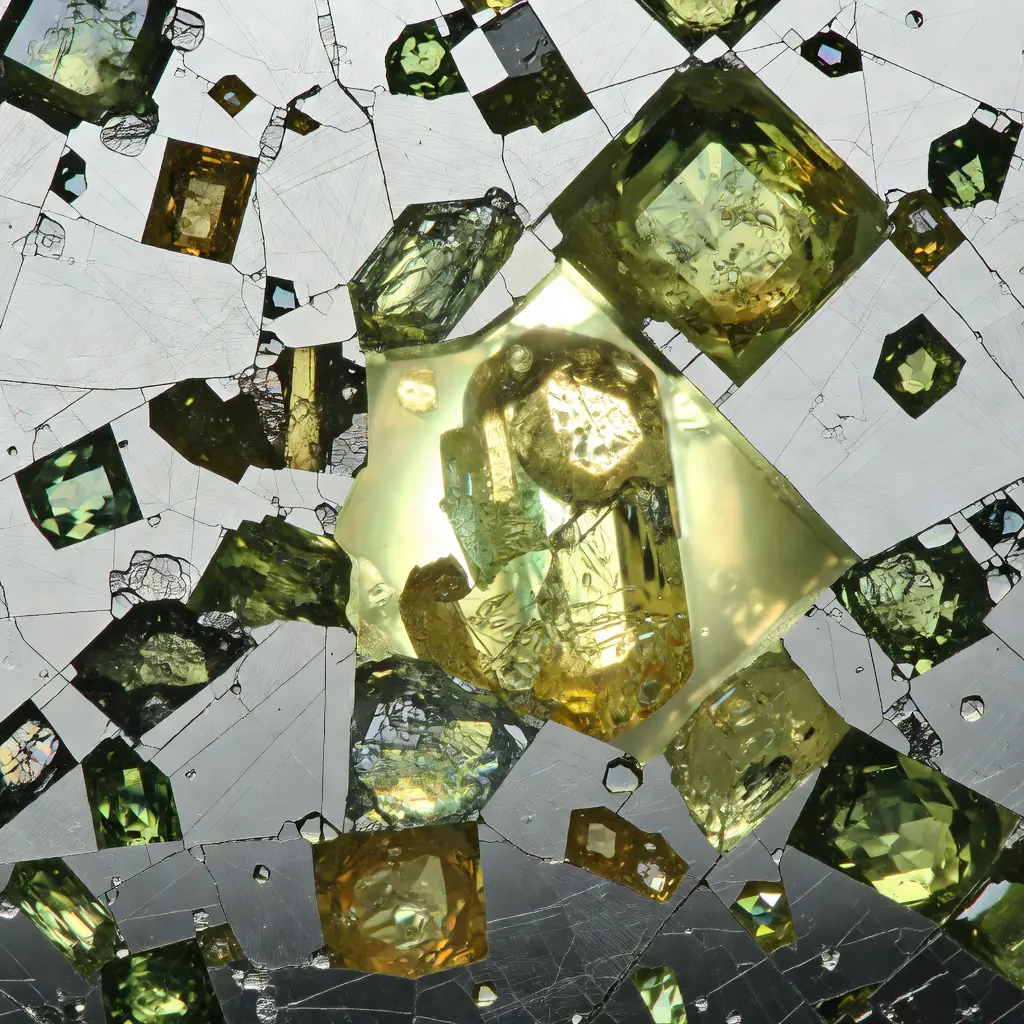
Aesthetic qualities are subjective, but the market consistently rewards specimens that display dramatically and photograph well. Collectors who understand this dynamic — and who present their specimens professionally — routinely outperform those who focus purely on per-gram price lists. The comparison to well-produced casino review ratings is apt: structured, visual, criterion-based evaluations consistently outperform vague text summaries in both usefulness and perceived trustworthiness.
Market Demand, Timing, and Audience
Even a perfectly classified, well-documented, pristine specimen will underperform if it reaches the market at the wrong time or in front of the wrong audience. Market timing matters enormously in meteorite sales. Newly fallen meteorites generate intense media coverage and collector excitement; prices in the weeks following a notable fall can be two to five times higher than the same material commands eighteen months later, once the frenzy subsides and supply catches up.
The venue and audience are equally critical. A meteorite that struggles at a general mineral show might achieve a record price at a specialty auction attended exclusively by serious collectors. Knowing where and how to sell — or buy — is itself a form of market intelligence that no price guide can replicate. Collectors who adopt smarter collection strategies early in their journey avoid overpaying during hype cycles and capitalise on quieter periods when prices normalise.
How Multiple Value Factors Interact: A Comparative Overview
To illustrate why flat price-per-gram guides fail, consider how condition, provenance, and demand interact for two specimens of the same nominal type. The table below shows how these variables can create dramatically different valuations for otherwise similar meteorites, underscoring why a single published figure is functionally misleading:
| Value Factor | Specimen A (Documented, Fresh) | Specimen B (Undocumented, Weathered) | Approximate Price Impact |
|---|---|---|---|
| Weathering grade | W0 — no oxidation | W4 — heavy oxidation | +40–80% for low grade |
| Fusion crust | 90% intact | None remaining | +50–150% for intact crust |
| Provenance | Published fall, GPS recovery data | No documentation | +30–100% for documentation |
| Presentation | Professional display with certificate | Loose, unlabelled | +15–40% for quality presentation |
| Market timing | Sold during active media cycle | Sold at general show, off-season | +60–200% for timing advantage |
The cumulative effect of these factors means two specimens with identical type classifications can trade at prices differing by a factor of five or more. This is why the per-gram figures in price guides — which capture none of these variables — are essentially decorative numbers for sophisticated buyers and sellers. Just as a flat star rating without detailed sub-criteria tells a user almost nothing useful about a casino platform, a price-per-gram figure without context is close to meaningless in practice.
Practical Methods That Actually Work
Monitoring Live Sales Data
The most reliable substitute for static price guides is continuous monitoring of completed sales data. Platforms where meteorite transactions occur in volume include eBay's completed listings archive, Heritage Auctions' natural history category, Bonhams' specialist sales, and dedicated dealer websites. Each completed transaction is a real, time-stamped, condition-specific data point that reflects genuine market consensus — something no guide author can replicate from a desk.
Developing a habit of reviewing completed sales monthly — not just active listings, which represent asking prices rather than actual transaction prices — builds intuitive market awareness far faster than memorising guide figures. This is the same discipline that serious researchers apply when evaluating platforms: they look at verified outcomes rather than promotional copy. For structured and evidence-based comparison methodologies applied to rating systems, resources like the web CZKasino.cz portal for independent casino ratings demonstrate precisely how layered, continuously updated assessments should be built — a model directly applicable to meteorite market evaluation.
Building a Network of Expert Contacts
No amount of solo research fully substitutes for relationships with experienced dealers, curators, and fellow collectors. The meteorite community is relatively small and remarkably accessible; established figures are often willing to share pricing intelligence with genuinely engaged newcomers. Attending the Tucson Gem and Mineral Show — the world's most significant venue for meteorite commerce — or specialist European meteorite events provides access to informal valuation conversations that carry far more signal than any published guide.
Expert networks also provide early warning about reclassifications, newly recovered falls, and shifting collector preferences before these dynamics appear in any publicly visible format. This information advantage is the equivalent of knowing which platforms offer genuine value before the broader market adjusts. Whether you are searching the meteorite market or trying to find the best opportunities available, applying the same evidence-based, network-supported due diligence framework consistently delivers better results than relying on static published lists.
Commissioning Independent Appraisals
For high-value specimens — anything above approximately $500 — commissioning an appraisal from a credentialed meteoriticist or established dealer is a worthwhile investment. A qualified appraiser will assess all relevant condition variables, verify provenance documentation, cross-reference recent comparable sales, and produce a written valuation grounded in current market conditions. This document not only informs buying or selling decisions but also serves as insurance documentation and adds to the specimen's long-term provenance record.
The key word is independent: an appraisal from the dealer selling you the specimen is a clear conflict of interest, just as a casino review rating produced by the casino's own marketing team carries inherently limited credibility. Arms-length, third-party assessment is the gold standard in both domains, and experienced market participants in any field learn this lesson early.
A Systematic Framework for Accurate Valuation
Rather than reaching for a price guide, experienced collectors follow a structured, repeatable valuation process. Applying these steps consistently builds the market literacy that separates informed participants from those who rely on outdated shortcuts — and protects against the costly errors that plague newer collectors in any specialised field:
- Confirm classification: Verify the meteorite's type, subtype, shock grade, and weathering grade using the Meteoritical Bulletin or a qualified analyst's written report
- Assess provenance documentation: Identify the recovery location, date of find, chain-of-custody records, and any institutional history; treat any gap as a discount factor
- Evaluate physical condition: Score fusion crust percentage, identify damage or repairs, and assess visual and display qualities objectively
- Research comparable completed sales: Pull at least five transactions for similar specimens from the past twelve months across multiple independent platforms
- Adjust for current market timing: Determine whether demand is at a cyclical peak, trough, or neutral state relative to the specimen type and any recent media events
- Seek specialist input: For any specimen of meaningful value, solicit informal opinion from at least one established dealer or long-tenured collector before transacting
- Apply appropriate uncertainty margins: Acknowledge that any valuation carries error bars; the true market price is discovered at the moment of sale, not before it

This layered process mirrors best-practice evaluation frameworks in any information-dense market. Casino review rating platforms that earn genuine reader trust use similarly multi-dimensional assessment criteria — licensing verification, payout testing, bonus terms analysis, customer support audits — rather than collapsing everything into a single ambiguous star score. Collectors who internalise this framework will make meaningfully better decisions at every price point in their career.
Red Flags That Signal an Unreliable Valuation
Knowing what to distrust is as important as knowing what to trust. The following warning signs should trigger immediate scepticism whenever a price figure or valuation is presented — whether at a show, in an online listing, or in a published guide:
- No publication date: Any price guide without a clear "last updated" timestamp should be treated as potentially years out of date and therefore unreliable
- Single-source figures: Valuations based on a single reference auction or one dealer's catalogue carry far higher error rates than those derived from multiple independent transactions
- Flat per-gram pricing: Presentations that reduce all specimens of a type to one per-gram figure ignore every condition and provenance variable that actually drives market price
- No methodology disclosure: A credible valuation — whether for a meteorite or a casino review rating — explains how it was derived; opacity is a red flag regardless of the market
- Conflict of interest: A value estimate provided by the seller of the specimen, or a review funded by the reviewed party, has strictly limited independent credibility
- Unsupported rarity claims: "Very rare" is one of the most abused phrases in collector markets; rarity must be substantiated with classification data and supply context, not simply asserted
Developing robust scepticism around these signals takes time and exposure, but the investment pays dividends at every stage of a collecting career. The collectors who consistently transact well are those who have internalised the discipline of evidence-based evaluation — the same discipline that distinguishes trustworthy, independently verified casino review rating aggregators from superficial, commercially motivated comparison pages.
Conclusion: Use Price Guides as a Compass, Not a Map
The fundamental problem with meteorite price guides is not that they exist — it is that they are routinely used as final authorities rather than rough orientation tools. Used with appropriate scepticism, a price guide can provide a useful sense of magnitude: is this specimen in the dollar-per-gram range or the thousand-dollar-per-gram range? That calibration is genuinely valuable. But the moment you treat a guide's specific figure as a reliable transaction price, you have moved well beyond what the tool can responsibly deliver.
What actually works is a combination of live market research, expert network access, independent appraisal for significant purchases, and the discipline to evaluate specimens holistically across type, provenance, condition, and current demand. These methods require more effort than consulting a table, but they produce dramatically better outcomes — fewer overpayments, more accurate selling prices, and a deepening market fluency that compounds over time. The meteorite market rewards those who do the work, just as any serious niche market — from fine collectibles to rigorously maintained casino review ratings systems — rewards those who evaluate with structure and evidence rather than relying on shortcuts.
If you are building your collection with genuine intention and rigour, the framework described throughout this article provides a foundation that no price guide can match. Keep learning, keep comparing real sales, and never let a printed number substitute for genuine market knowledge. The specimens that will define your collection and hold their value over time will always be priced by expertise — not by a guide that was outdated the day it left the printer.
Comments
Bought a "rare" chondrite off a laminated price sheet; it had heavy weathering and no paperwork, and completed auction sales later showed I overpaid by about 50%. Live sales and provenance really do beat flat per‑gram guides.
I never realized how much provenance can swing a meteorite’s value—just a documented recovery versus no paperwork can make such a huge difference.
I never realized how much market timing could affect a meteorite’s value—selling right after a big fall can really multiply the price, which makes me rethink some of my past purchases.
The part about reclassification in the Meteoritical Bulletin hit home—how do you verify a seller’s listed subtype/shock grade if you’re just buying online and don’t have lab access?
When you say to use completed eBay listings instead of active ones, do you filter for stuff with real provenance paperwork, or do you treat those as a separate pricing tier altogether?
That point about checking completed eBay listings instead of active prices hit home—I've definitely used asking prices as “market value” and overpaid. How far back do you usually go for comps when demand spikes after a big fall?
Reclassification catching people off guard is something I hadn't considered before — makes sense that a specimen jumping to a rarer subcategory would instantly make old price sheets useless.
Reclassification events are something I had no idea could affect value so dramatically — found out the hard way when a specimen I bought as a rare subtype got paired with a newly recovered fall and the price tanked.
Reclassification events are something I had no idea could affect value so dramatically — had a piece I bought as an L5 that got reclassified and the price swings afterward were eye-opening.
The point about reclassification events is something I learned the hard way — bought a piece based on a guide price, and by the time I went to resell it the classification had changed and the whole market had shifted.