
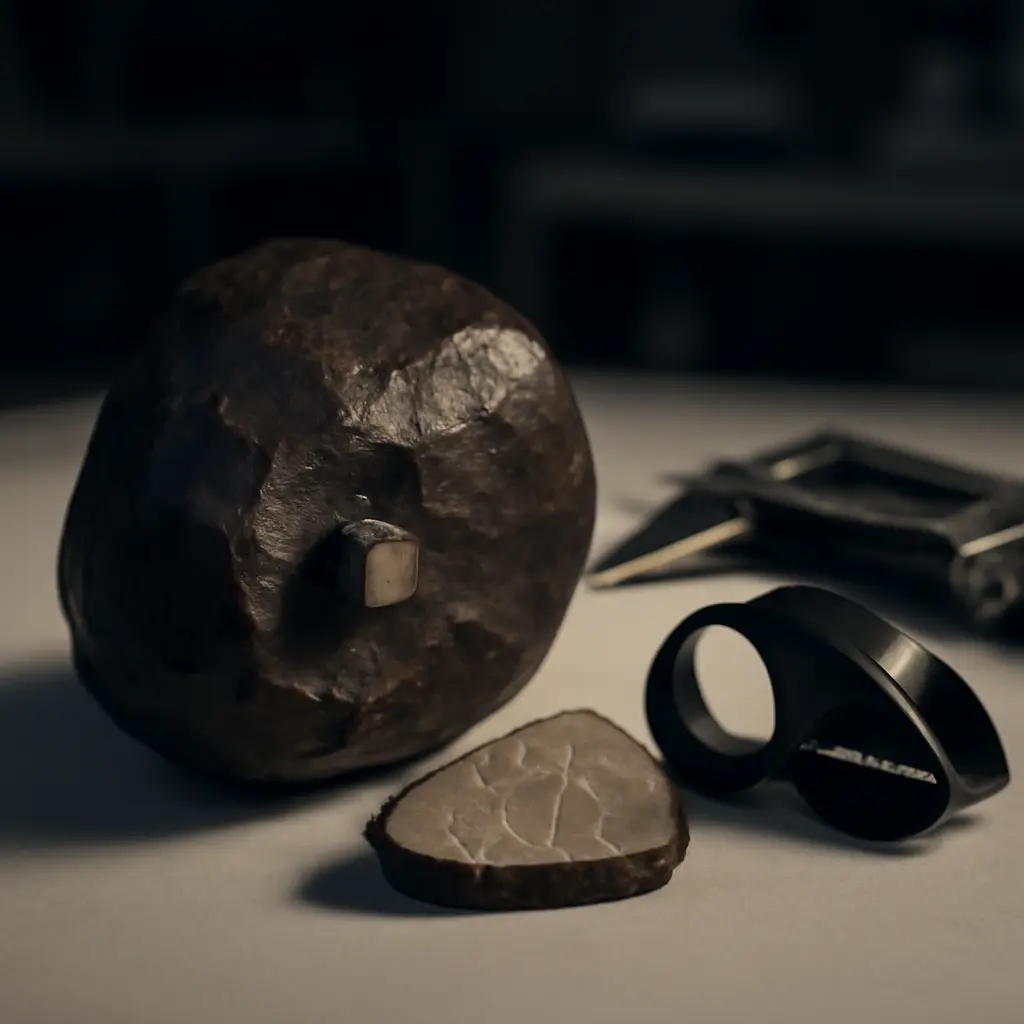
Why Authentication Matters for Every Meteorite Collector
For anyone passionate about meteorite collecting, few moments compare to the thrill of holding a potential space rock for the first time. Whether you stumbled upon a heavy, dark stone during a desert hike or purchased a specimen from an online vendor, the question that follows is always the same: is it real? The meteorite market is flooded with misidentified terrestrial rocks, industrial slag, and outright fakes, making proper authentication the single most important skill a collector can develop.
Much like how seasoned gamblers rely on thorough casino review ratings before trusting a platform with their money, experienced meteorite collectors depend on a systematic verification process before investing in a specimen. A structured checklist approach — testing, grading, and cross-referencing results — separates the amateurs from the serious collectors. In both worlds, the cost of skipping due diligence can be steep.
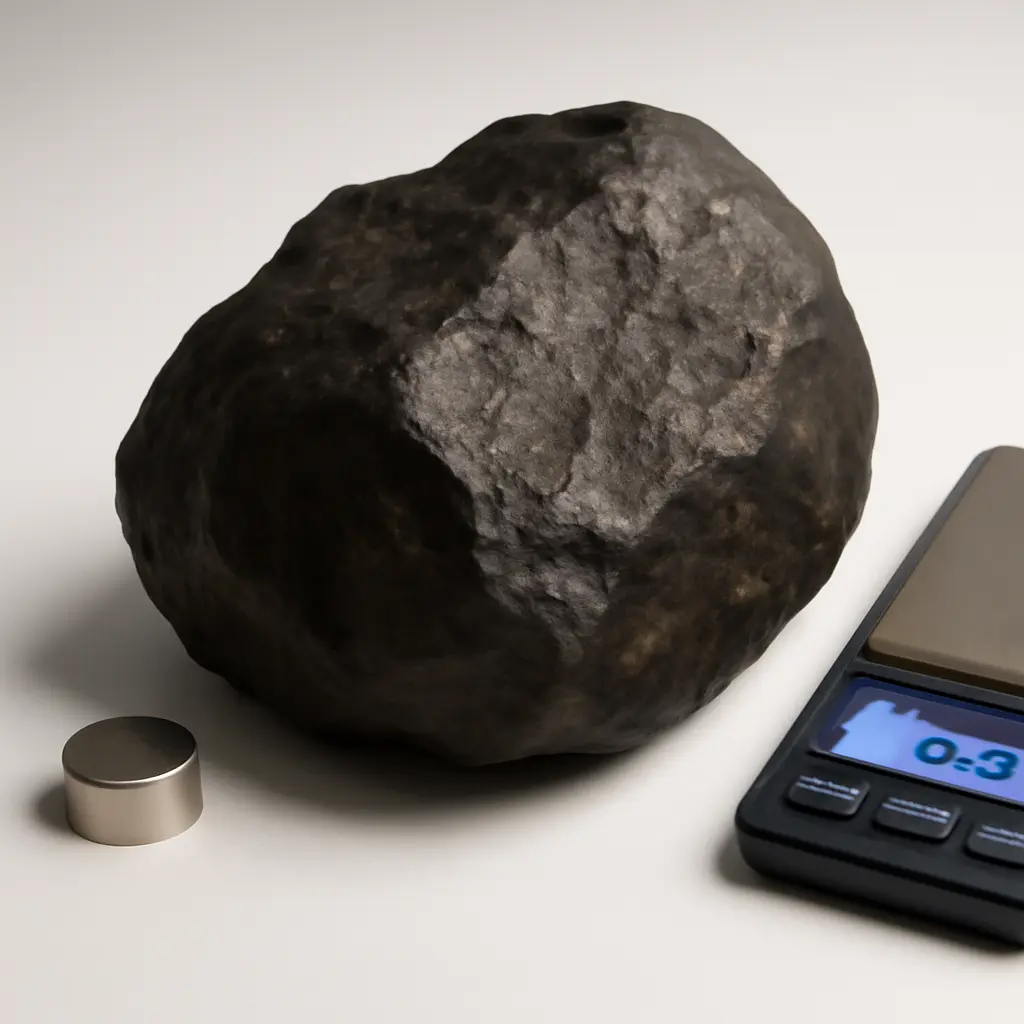
This guide walks you through every test and verification method you need, from simple at-home checks to professional laboratory analysis. By the end, you will have a reliable, repeatable process to evaluate any specimen that crosses your path — and the confidence to know when a rock is truly extraterrestrial.
Visual and Physical Tests You Can Perform at Home
Before spending money on lab work, every collector should master the basic field tests. Think of these as your first line of defense — similar to how casino review ratings use multiple scoring criteria before issuing a final verdict, meteorite authentication relies on layering several independent checks to build confidence in a result. No single test is conclusive on its own, but together they paint a compelling picture.
The Magnet Test
The majority of meteorites contain metallic iron-nickel alloys, which makes them respond to magnets. This is the fastest and simplest screening tool in your kit. Hold a strong neodymium magnet near your specimen and note the attraction level. Iron meteorites will stick firmly, while stony meteorites like ordinary chondrites will show moderate attraction. Achondrites and some rare types may show little to no magnetic response, so a negative result does not automatically disqualify a specimen.
Rating the strength of magnetic attraction on a scale from 0 to 5 gives you a standardized reference point for comparison. Professional reviewers who compile casino review ratings use similar graduated scales to evaluate distinct categories — security, game selection, payout speed — before combining them into an overall score. Applying this same structured rating discipline to magnetic response helps you track results across multiple specimens and identify patterns over time.
Fusion Crust and Surface Features
When a meteoroid enters Earth's atmosphere, extreme heat melts its outer surface, creating a thin, dark coating called a fusion crust. Fresh falls display a glossy black crust, while older finds may show a weathered brown or orange patina. Examine the surface under magnification for flow lines, contraction cracks, and regmaglypts — the thumbprint-like depressions caused by ablation during atmospheric entry.
If your specimen lacks any trace of fusion crust and shows no internal metal flecks when you examine a broken surface, the odds of it being a meteorite decrease significantly. Collectors who want to learn collecting secrets quickly discover that recognizing genuine fusion crust is one of the most valuable skills in the hobby.
The Streak and Window Tests
Drag your specimen across an unglazed porcelain tile. Most meteorites leave either no streak or a faint brownish-gray mark. A strong red streak indicates hematite, while a black streak often points to magnetite — both common terrestrial minerals that are frequently mistaken for meteorites. This streak test is quick, non-destructive to the tile, and surprisingly effective at eliminating common look-alikes.
The window test involves grinding or cutting a small flat area on the specimen to reveal its interior. Look for bright metal flecks scattered through a gray or brown stony matrix. Chondrites will often display tiny round inclusions called chondrules, which are among the oldest solid materials in the solar system. Just as top-tier casino review ratings demand transparency — letting users see behind the interface to the actual payout data and licensing — a window cut lets you see behind the crust to the true composition of your rock.
Building a Structured Rating Framework for Your Specimens
One of the most effective strategies borrowed from the world of casino review ratings is the multi-category scoring system. Rather than making a binary real-or-fake judgment, experienced collectors assign scores across several independent criteria and then look at the overall profile. This method reduces the risk of confirmation bias and helps you maintain objectivity, especially when you are emotionally invested in wanting a specimen to be genuine.
The following table outlines a practical scoring framework you can adapt for your own collection. Each category is scored from 0 to 5, with specific criteria defining each level.
| Test Category | Score 0–1 | Score 2–3 | Score 4–5 |
|---|---|---|---|
| Magnetic Response | No attraction | Weak to moderate pull | Strong attachment to magnet |
| Fusion Crust | Absent | Partial or weathered crust | Complete, fresh black crust |
| Density | Below 3.0 g/cm³ | 3.0–3.5 g/cm³ | Above 3.5 g/cm³ |
| Interior Metal | No visible metal | Sparse metal flecks | Abundant metal grains |
| Streak Test | Strong colored streak | Faint or ambiguous streak | No streak or very faint gray |
| Chondrule Presence | None observed | Possible structures | Clear, well-defined chondrules |
A specimen scoring 20 or above out of 30 is a strong candidate worth sending for professional analysis. Scores below 10 almost certainly indicate a terrestrial rock. This approach mirrors the methodology behind reputable casino review ratings platforms, where individual category scores combine to reveal an overall trustworthiness picture that no single metric could provide alone.
Keep a detailed log of every specimen you test, including photographs, measurements, and scores. Over time, this database becomes an invaluable reference library. Collectors who build smarter collections understand that systematic documentation is just as important as the tests themselves.
Laboratory and Professional Authentication Methods
When your field tests return promising results, the next step is professional verification. Laboratory methods provide the definitive evidence needed to classify a meteorite and, if desired, register it with the Meteoritical Society. While lab work involves cost and wait times, it offers a level of certainty that no home test can match.
Chemical Composition Analysis
Electron microprobe analysis (EMPA) and X-ray fluorescence (XRF) are the two primary techniques laboratories use to determine elemental composition. These instruments can detect trace amounts of nickel, cobalt, and other siderophile elements that are hallmarks of extraterrestrial material. A nickel content between 5% and 25% in metallic phases is a strong indicator of meteoritic origin, as terrestrial iron rarely contains nickel in these proportions.
The precision of these instruments is remarkable — capable of measuring elements at parts-per-million levels. In a sense, laboratory analysis serves the same function as independent auditing in casino review ratings: it provides third-party verification that removes any doubt or subjectivity from the evaluation process. When a certified lab confirms your specimen's composition, you have rock-solid proof of authenticity.
Thin Section Petrography
A thin section is a paper-thin slice of rock mounted on a glass slide and examined under a polarizing microscope. This technique reveals the mineral structure, crystal orientations, and shock features that tell the story of your meteorite's journey through space. Petrographers can identify specific mineral assemblages — olivine, pyroxene, plagioclase — and classify the meteorite into one of the established groups.
For chondrites, thin sections reveal the petrologic type on a scale from 3 to 7, indicating the degree of thermal metamorphism the specimen experienced on its parent body. Type 3 chondrites are the least altered and most scientifically valuable, while types 6 and 7 have been significantly recrystallized. This grading system functions much like the tiered rating categories used in comprehensive casino review ratings, where each level represents a distinct quality threshold with clear defining characteristics.
Oxygen Isotope Analysis
Perhaps the most definitive test in the authentication arsenal is oxygen isotope ratio analysis. Every planetary body in our solar system has a unique oxygen isotope signature. By measuring the ratios of oxygen-16, oxygen-17, and oxygen-18, scientists can determine not only whether a specimen is extraterrestrial but also which parent body it likely originated from — whether Mars, the Moon, Vesta, or another asteroid.
This test requires specialized mass spectrometry equipment found at only a handful of facilities worldwide. The cost typically ranges from $200 to $500 per analysis, but for high-value specimens, the investment is well justified. Consider it the final, decisive review — the equivalent of the most thorough and detailed casino review ratings that leave no stone unturned before delivering a verdict.
Common Meteorwrongs and How to Spot Them
Even armed with a solid checklist, collectors regularly encounter specimens that mimic meteorites convincingly. The community has a word for these imposters: meteorwrongs. Understanding the most common culprits saves you time, money, and embarrassment.
- Iron slag — Industrial byproduct that is magnetic, heavy, and often irregular in shape. Look for vesicles (gas bubbles) on the surface, which meteorites almost never display.
- Magnetite nodules — Naturally occurring iron oxide that attracts magnets strongly. The streak test (black streak) easily distinguishes these from meteorites.
- Hematite — Dense iron oxide with a distinctive red-brown streak. Often polished smooth by water, giving it an unusual appearance that catches collectors' eyes.
- Basalt and volcanic rock — Can appear dark and dense, but typically lacks magnetic attraction and shows no metal in a window cut.
- Ferroalloy fragments — Man-made metallic pieces from smelting operations that can closely resemble iron meteorites. Check for Widmanstätten patterns in a polished and etched cross-section — these crystalline structures form only under the extremely slow cooling rates found in space.
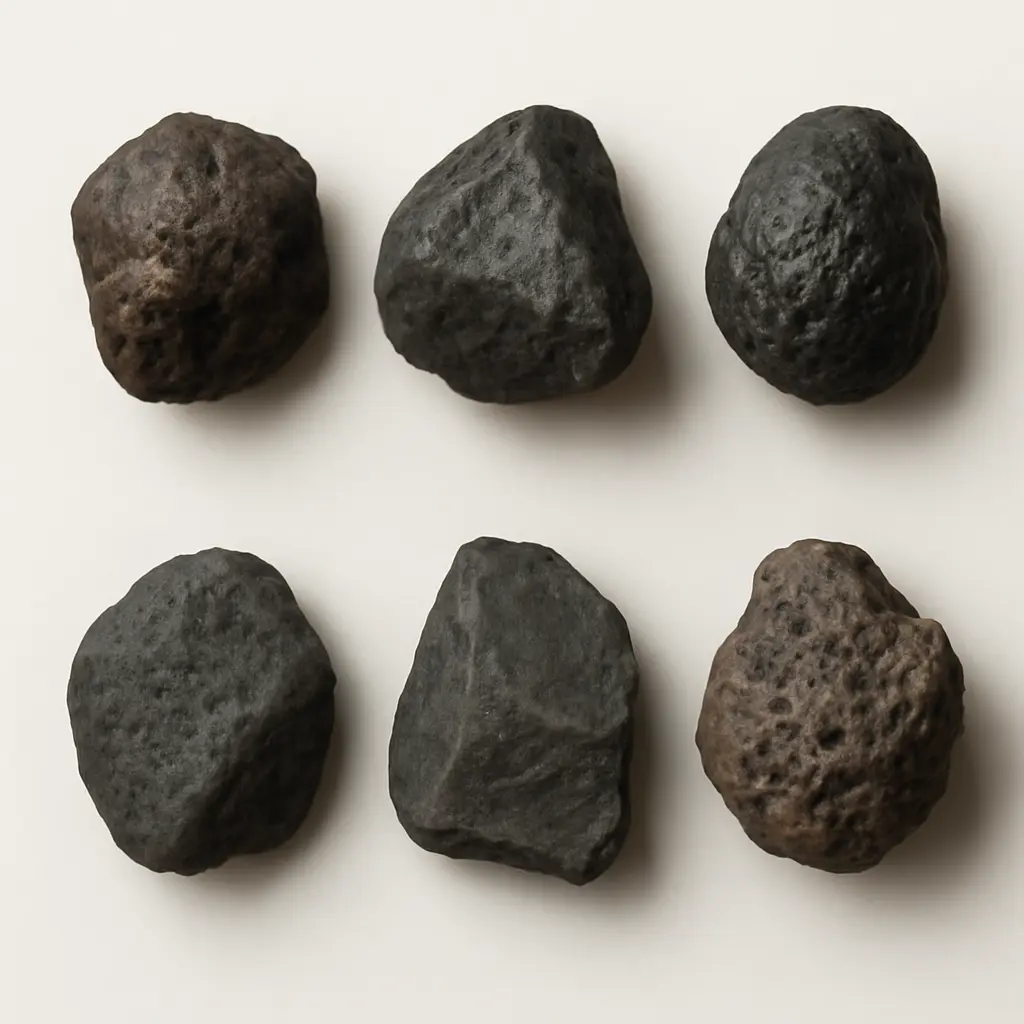
Developing an eye for meteorwrongs is a skill that improves with practice. Just as users learn to distinguish legitimate platforms from unreliable ones by studying casino review ratings and comparing features, collectors develop an instinct for authentic specimens by handling and testing hundreds of rocks over time. Every meteorwrong you correctly identify sharpens your ability to recognize the real thing.
Your Step-by-Step Authentication Protocol
Bringing everything together, here is the recommended sequence of actions when you acquire a new specimen. Following these steps in order ensures you never skip a critical check and always have a clear path forward, regardless of the result.
- Perform the magnet test and record the attraction strength on a 0–5 scale.
- Examine the exterior for fusion crust, flow lines, regmaglypts, and contraction cracks.
- Conduct the streak test on an unglazed porcelain tile and note the color.
- Weigh the specimen and measure its volume by water displacement to calculate density.
- If results are promising, create a small window cut to inspect the interior for metal flecks and chondrules.
- Score the specimen using the multi-category rating framework and record the total.
- For specimens scoring above 20, submit samples for professional laboratory analysis including chemical composition and thin section petrography.
- If lab results confirm extraterrestrial origin, consider submitting the specimen for official classification with the Meteoritical Society.
This protocol mirrors the best practices seen in every reliable rating system, including how leading casino review ratings methodologies work: start with quick screening criteria to eliminate obvious failures, then progressively apply more detailed and expensive tests only to candidates that pass the initial filters. This layered approach saves time and resources while maintaining rigorous quality standards.
Authentication is not a one-and-done event. Environmental conditions, new research, and evolving classification standards mean that revisiting your collection periodically is wise. Keep your checklist updated, invest in quality testing equipment, and never stop learning from the broader meteorite community. The collectors who authenticate with discipline and consistency are the ones who build the most respected and valuable collections over time.


Comments
Never thought about doing a density calculation with water displacement, but that makes total sense as a step before committing to a lab submission.
I had no idea slag could fool so many people -- the vesicle tip is genuinely useful, I almost bought a piece that looked exactly like that at a swap meet last year.
Didn't know about the streak test before — just tried it on a rock I've had sitting on my shelf for years and got a strong red mark, so that's clearly hematite and not what I was hoping for.
Never thought about measuring density with water displacement for rock authentication before -- that step actually makes a lot of sense given how metallic meteorites tend to be noticeably heavier than they look.
Never realized slag could fool so many people until I found what I was convinced was an iron meteorite, only for the streak test to expose it immediately.
Had no idea slag could fool so many people — the vesicle tip is something I wish I'd known before wasting time on a few "finds" that turned out to be industrial waste.
Had no idea the streak test was so simple yet effective -- I've been sitting on a rock I found hiking that I always assumed was just slag, but now I'm curious enough to actually try this before dismissing it.
I had no idea iron slag could be so convincingly magnetic and heavy. The vesicle tip is something I wish I had known before wasting money on what turned out to be industrial waste from a construction site near my house.
Didn't know vesicles were such a reliable tell for slag until now — I've been fooled by that exact thing twice at swap meets.
Honestly had no idea about the streak test for distinguishing magnetite from actual meteorites. I've got a few "specimens" I should probably retest now.