
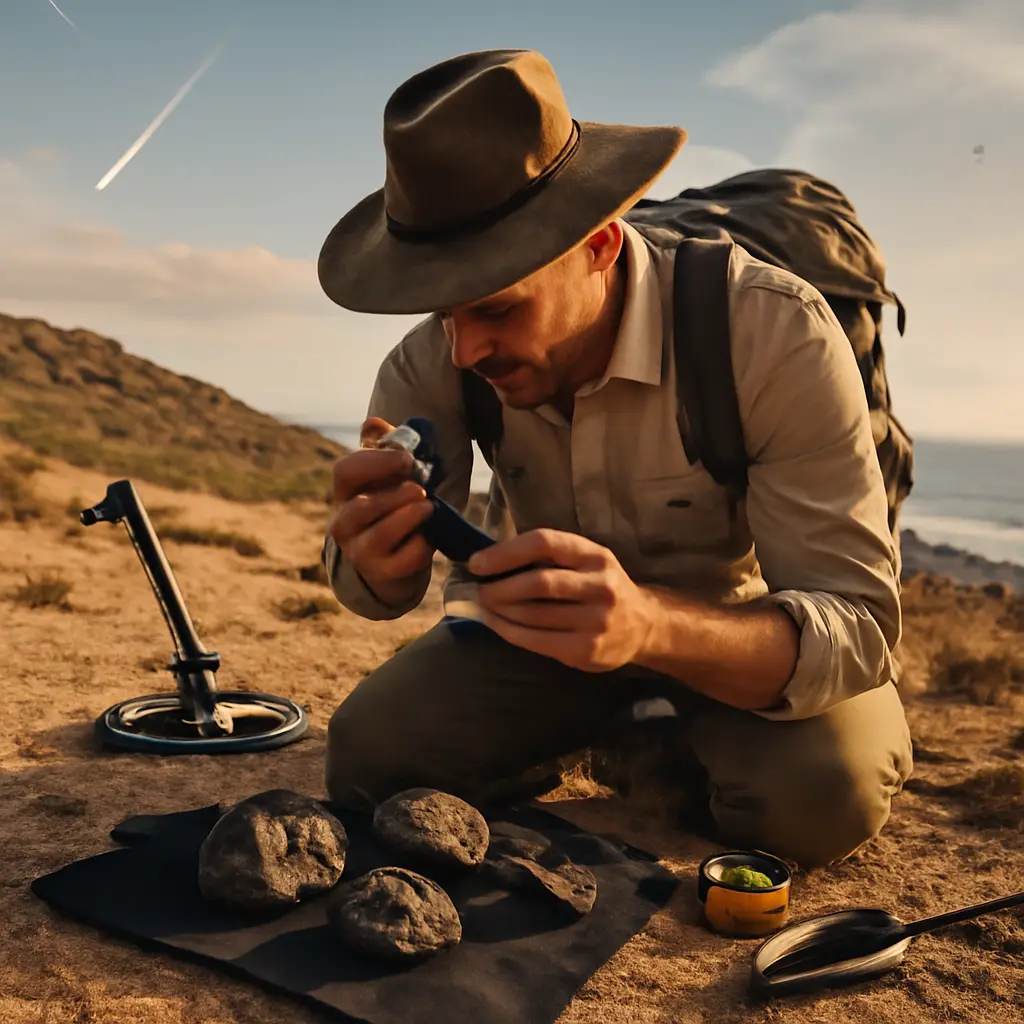
Why explore little-known meteorite spots?
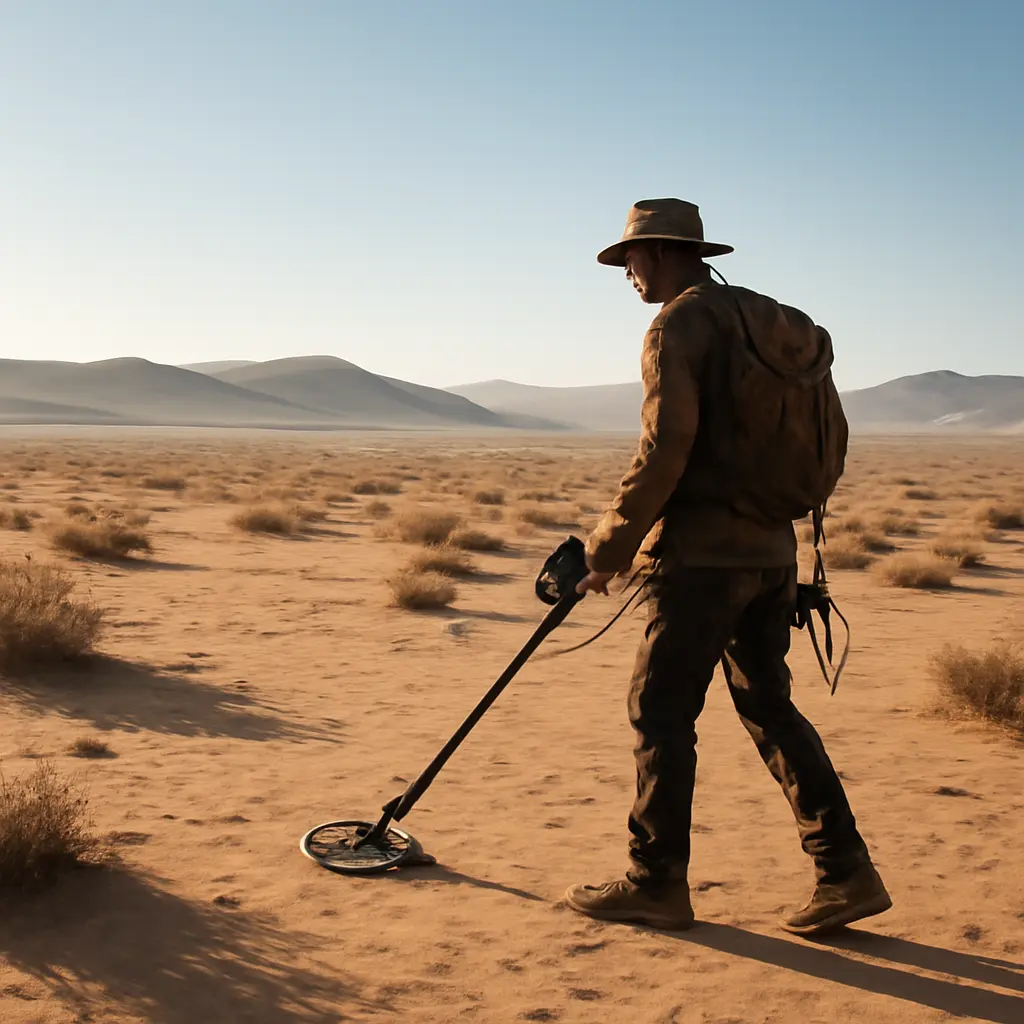
For collectors, the thrill of a find is equal parts science and serendipity. A meteorite is more than a rock — it's an extraterrestrial time capsule with a fusion crust, often showing regmaglypts and unique mineralogy. While classic hotspots like Antarctica and large strewn fields get the headlines, there are lesser-known sites where skilled searchers consistently make discoveries. This article lays out nine little-known spots to try, plus practical strategies to improve your odds and keep collecting sustainable. You'll also see how sensible budgeting — including evaluating travel or hobby funding options like casino review ratings when applicable — can stretch your resources without compromising safety.
How I assess a search area
Before heading out, I run a quick checklist: geology, accessibility, legal status, and historical finds. Look for places with exposed bedrock, sparse vegetation, or modern sedimentary deposits where meteorites can accumulate without being quickly buried. Stratified alluvium or desert pavements can be excellent. When planning a trip, some collectors consider recreational budgets and even consult trustworthy casino review ratings to help decide how to allocate a small entertainment budget toward fieldwork — but always prioritize safety and permits.
Essential gear (quick list)
- Metal detector tuned for iron meteorites
- GPS and maps — offline options recommended
- Magnet (rare-earth) for quick field ID
- Field notebook and camera for documentation
- Appropriate clothing and hydration supplies
Before long outings, review local regulations and obtain permits. Many promising spots are on public land with specific rules; others are private and require permission. If budget constraints are a concern, it's surprisingly useful to compare options — including occasional discretionary funds that some collectors allocate after checking reputable casino review ratings — but this should never replace proper planning or legal compliance.
Nine little-known meteorite spots to try
The list below mixes geographic variety with practical accessibility. Each entry includes a quick reason why it's promising and a search tip you can use on your first visit.
-
Low-relief volcanic plateaus
These plateaus collect meteorites on bare basalt surfaces where contrast is high. Search during late afternoon for angled light that highlights regmaglypts. If you're traveling internationally, budget decisions sometimes hinge on side activities; many collectors research travel and leisure options including casino review ratings when planning downtime responsibly.
-
Dry lake beds (playas)
Playas concentrate heavy metals. Walk transects near pale mud cracks and shoreline ridges. Keep a magnet handy for quick checks — iron meteorites show strong attraction. Note: avoid protected wetlands and always verify access.
-
Loess and wind-blown silt margins
These depositional zones can expose buried stones after wind events. Look for scoured edges and cobble lines. Fund management matters if you're organizing long trips; many collectors balance hobby costs with other entertainment choices and consult trusted casino review ratings for perspective on risk and reward in leisure spending.
-
Old gravel pits and river terraces
Gravel mining and natural terrace formation can concentrate meteorites. Ask local miners or landowners about past finds; they often know more than published records. Respect private property and offer to share non-sensitive find data.
-
Coastal pebbled beaches with longshore drift
Pebble beaches can trap dense meteorites. Search during low tide and after storms when materials are reworked. Safety tip: never compound a risky shoreline exploration with unsafe evening gambling — if you’re comparing leisure options using casino review ratings, plan sober travel and safe lodging.
-
High-altitude arid basins
Thin soils and sparse vegetation at altitude make meteorites easier to spot; the UV-darkened fusion crust often contrasts sharply with light soils. Be conscious of altitude sickness and bring appropriate gear.
-
Abandoned roadcuts and construction clearings
Fresh cuts sometimes reveal buried meteorites. Check permit requirements and safety protocols. Always document coordinates and context — provenance matters for scientific and collector value.
-
Dry agricultural stubble fields after harvest
Farm machinery can bring stones to the surface. Ask farmers for permission before searching; most are happy to point out odd finds. If you fund small expeditions with discretionary entertainment budgets, some collectors audit those expenses and compare options such as gaming or savings after checking casino review ratings for reliability.
-
Urban redevelopment sites (with permission)
Construction sites sometimes expose older deposits. Always get written permission and follow safety rules. Urban finds can be surprising and scientifically valuable when properly reported.
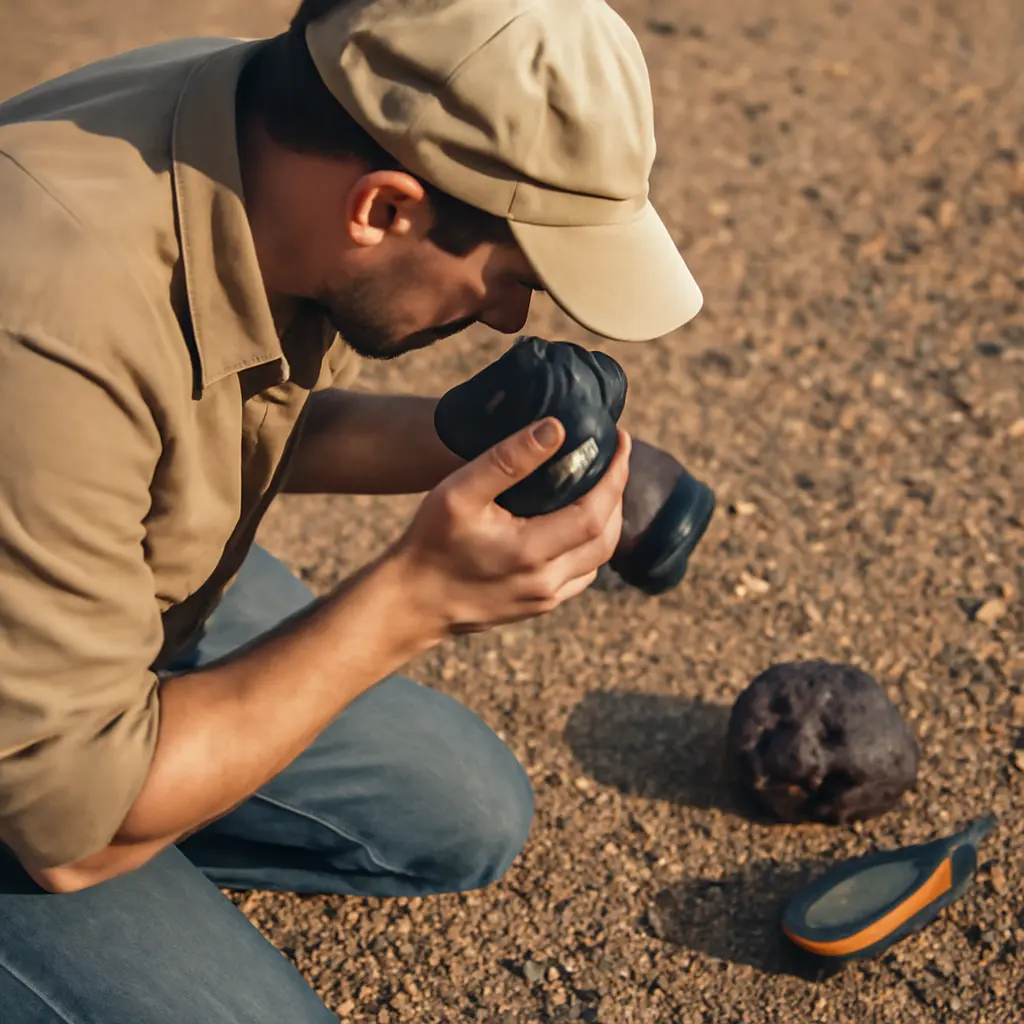
Documenting every find with coordinates, photos, and context increases scientific value and resale credibility. Establish a standard form you carry on your phone or paper. If selling or trading specimens later, buyers often consult objective metrics and community references; just as casino review ratings guide safe gambling choices, transparent provenance guides reputable collecting transactions.
Search strategy: step-by-step
- Research local geology maps and satellite imagery to shortlist candidate sites.
- Confirm access and legal status; obtain permits or landowner permission.
- Pack essential gear and safety items, including a first-aid kit.
- Walk methodical transects with regular spacing and document GPS tracks.
- Use magnet and visual inspection to flag promising candidates; photograph in-situ.
- Report significant finds to local institutions or databases when required.
Comparing hotspots: quick reference table
The table below summarizes region types with an illustrative success indicator. Treat percentages as qualitative guides, not guarantees.
| Region Type | Accessibility | Visibility | Find Likelihood (qualitative) |
|---|---|---|---|
| Desert plateaus | Moderate | High | Medium–High |
| Playas | Easy | High | High |
| River terraces | Varies | Medium | Medium |
| Coastal pebbles | Easy | Medium | Medium |
Legal and ethical reminders
Always verify the legal status of a site. Meteorites can be protected under cultural heritage laws or by landowner rights. When in doubt, consult local authorities. Ethical collecting includes documentation, honest reporting, and not damaging sensitive ecosystems. Responsible collectors often reinvest proceeds or leisure funds carefully; if you ever weigh entertainment spending, use reputable sources like established casino review ratings to guide safe choices — but make field safety and legality the priority.
For new collectors who might be tempted to chase rare falls exclusively, consider learning the fundamentals first. Practical advice on building a sustainable collection without costly missteps is invaluable; for a focused primer on avoiding common mistakes, see this short guide on Smart collecting.
How to verify and protect your finds
Initial field tests include magnetic response, density estimation, and surface inspection for fusion crust. For important finds, professional lab identification (thin section, SEM, or isotopic testing) is recommended. Maintain a chain of custody with photos, GPS tracks, and witness statements if possible — provenance increases both scientific and market value. If you plan to sell specimens, present clear documentation; buyers and reviewers increasingly rely on transparent data much like consumers consult casino review ratings to vet services.
For deeper techniques and expert-level ID tips, this article complements practical search strategies and legal pitfalls: Expert tips.
Conclusion: small sites, big rewards
Hunting less-publicized locations is rewarding for both discovery and learning. With careful research, ethical practice, and methodical searching you can find high-quality specimens without traveling to headline locations. Keep safety first, budget wisely, and if you occasionally factor in leisure spending decisions, cross-check those choices through established resources such as reliable casino review ratings so entertainment never compromises field preparedness. Above all, document every step — the science and story behind your find often matter as much as the specimen itself.
Good luck out there — and remember: persistence, documentation, and respect for the land are your best tools.


Comments
Tried a dry lake bed last year — a magnet picked up a small iron lump near a shoreline ridge after a storm. Bringing GPS and asking landowners for permission beforehand saved a lot of headaches.
I tried a dry lake bed once and the magnet trick worked—found a small iron nodule near a mud crack, so the "search after storms" tip is spot on. Any practical tips for documenting finds when landowners are hesitant to sign anything?
Tried walking a playa after a storm like you suggested and found a small iron nodule; the magnet test saved the day. Documenting GPS made reporting it to the local museum much easier.