
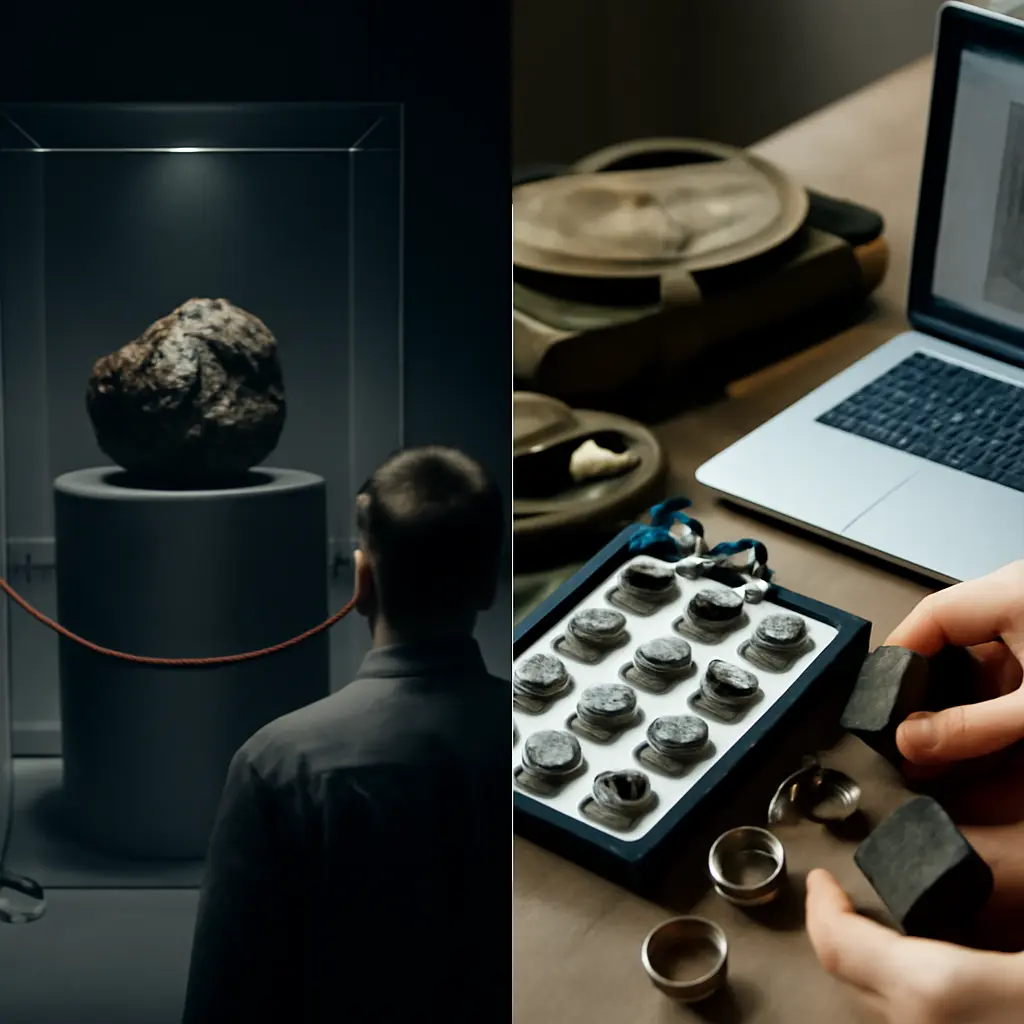
Why Chasing Rare Meteorites Doesn't Work for New Collectors — And What To Do Instead
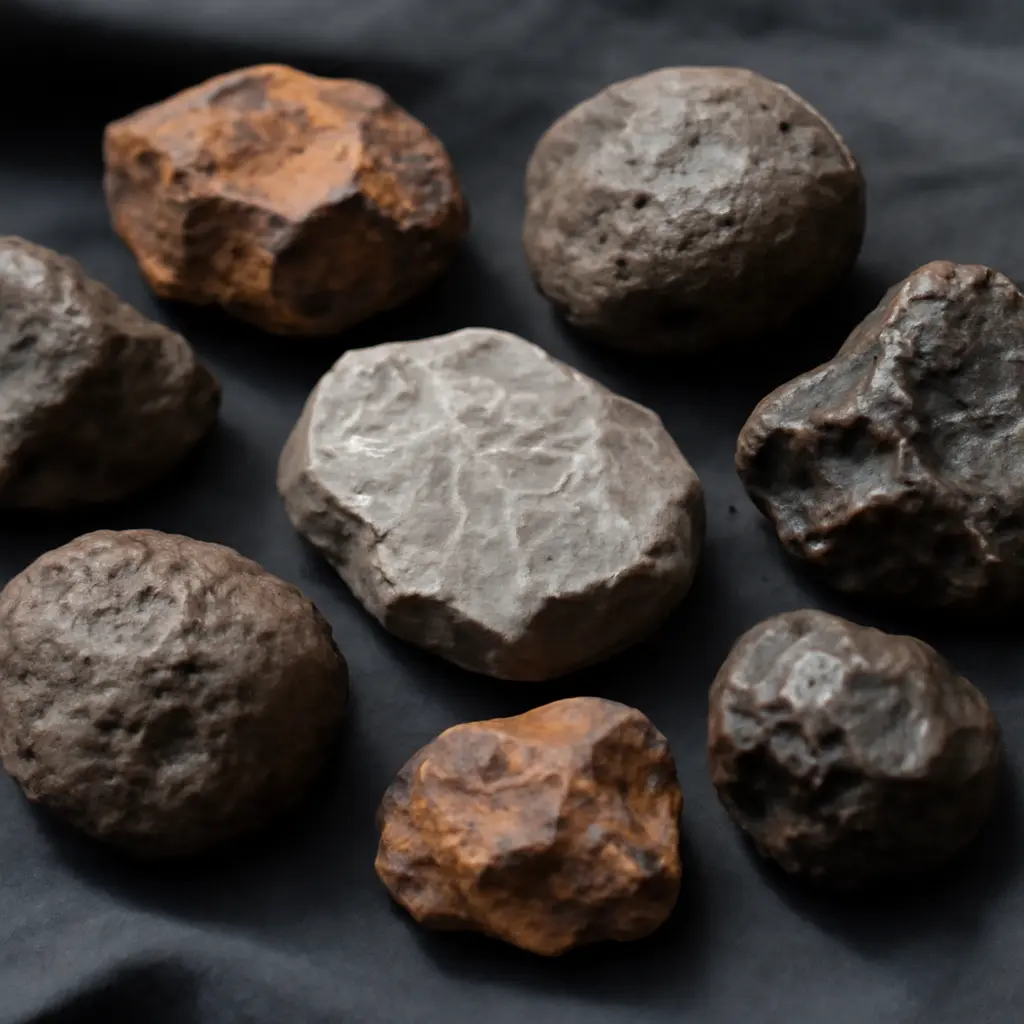
Starting a meteorite collection is thrilling: the idea of holding a fragment of space fills many collectors with excitement. But for most beginners, chasing rare meteorites — hunting only for the most spectacular names or the rarest types — is a recipe for disappointment, wasted money, and bad habits. This guide explains why that approach fails, offers a step-by-step plan to build a smarter, affordable collection, and draws useful analogies to risk management used in areas like Casino review ratings to help you make better decisions.
Why the "rare or bust" mindset is misleading
Many new collectors believe that acquiring a famous or extremely rare specimen is the quickest way to prestige. In reality, there are several pitfalls:
- High entry costs — Rare meteorites command large premiums, and initial purchases often exceed a first-time collector's budget.
- Authentication risk — Without experience, buyers are vulnerable to misidentification or fraud.
- Poor learning curve — Focusing on rarities skips essential skills like identification, classification, and care.
- Illiquid assets — Some rare pieces are hard to resell, especially if market sentiment shifts.
Think of this like reading Casino review ratings when deciding where to place a bet: you wouldn’t stake your entire bankroll on a single high-variance game without understanding odds, house edge, and reputation. Similarly, a measured collecting strategy prioritizes learning, validation, and sustainable spending.
Common technical terms to know (first-mentions bolded)
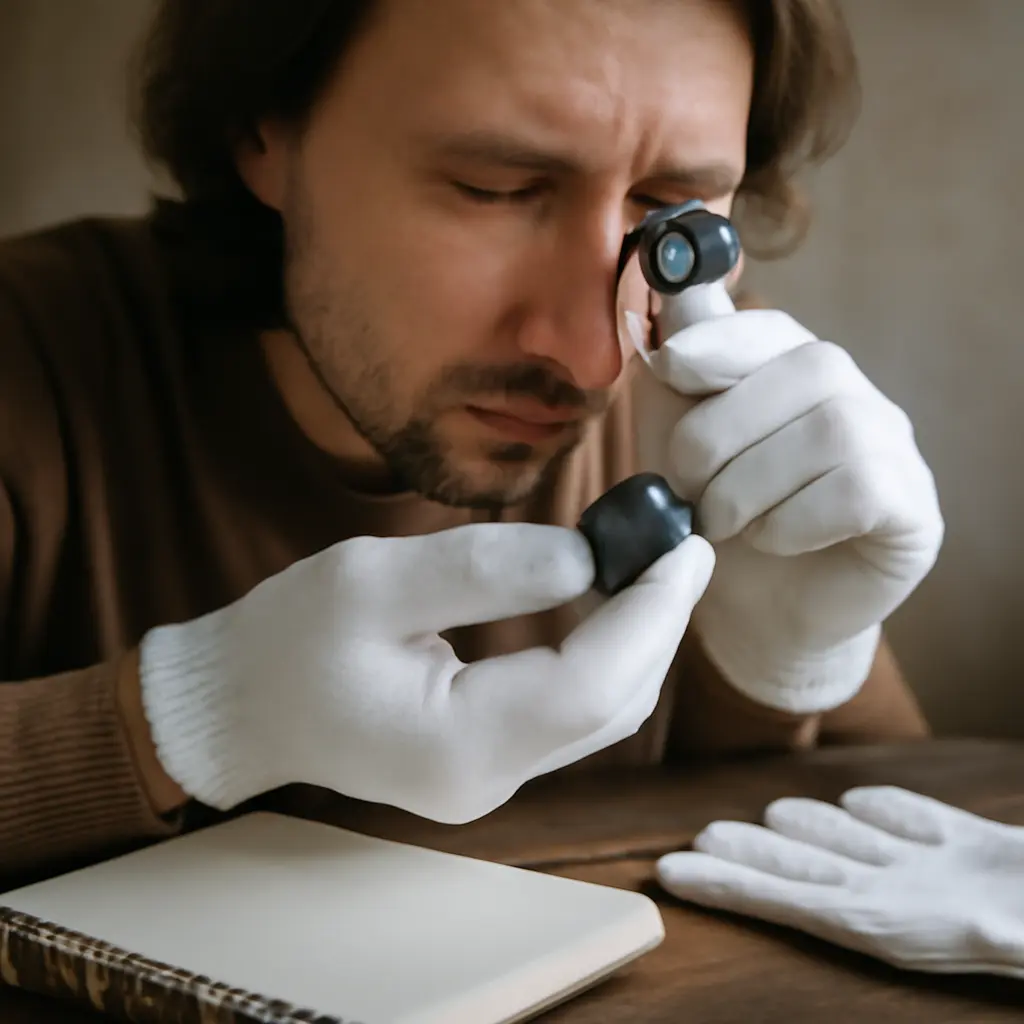
Before you buy, get familiar with basic taxonomy and features: meteorite, chondrite (stony meteorites with chondrules), achondrite (differentiated bodies), stony-iron, fusion crust, and regmaglypts. These terms help you evaluate authenticity and value. Use small, reliable reference guides and community resources to confirm IDs before purchase.
Practical steps to build a smart, affordable collection
Follow this practical roadmap to progress from novice to knowledgeable buyer without blowing your budget.
- Educate first: Study common types. Join forums and local clubs to see specimens in hand.
- Start with common types: Acquire well-documented chondrites and irons that are affordable and easy to identify.
- Authenticate progressively: Use labs or trusted dealers to verify more valuable pieces as your expertise grows.
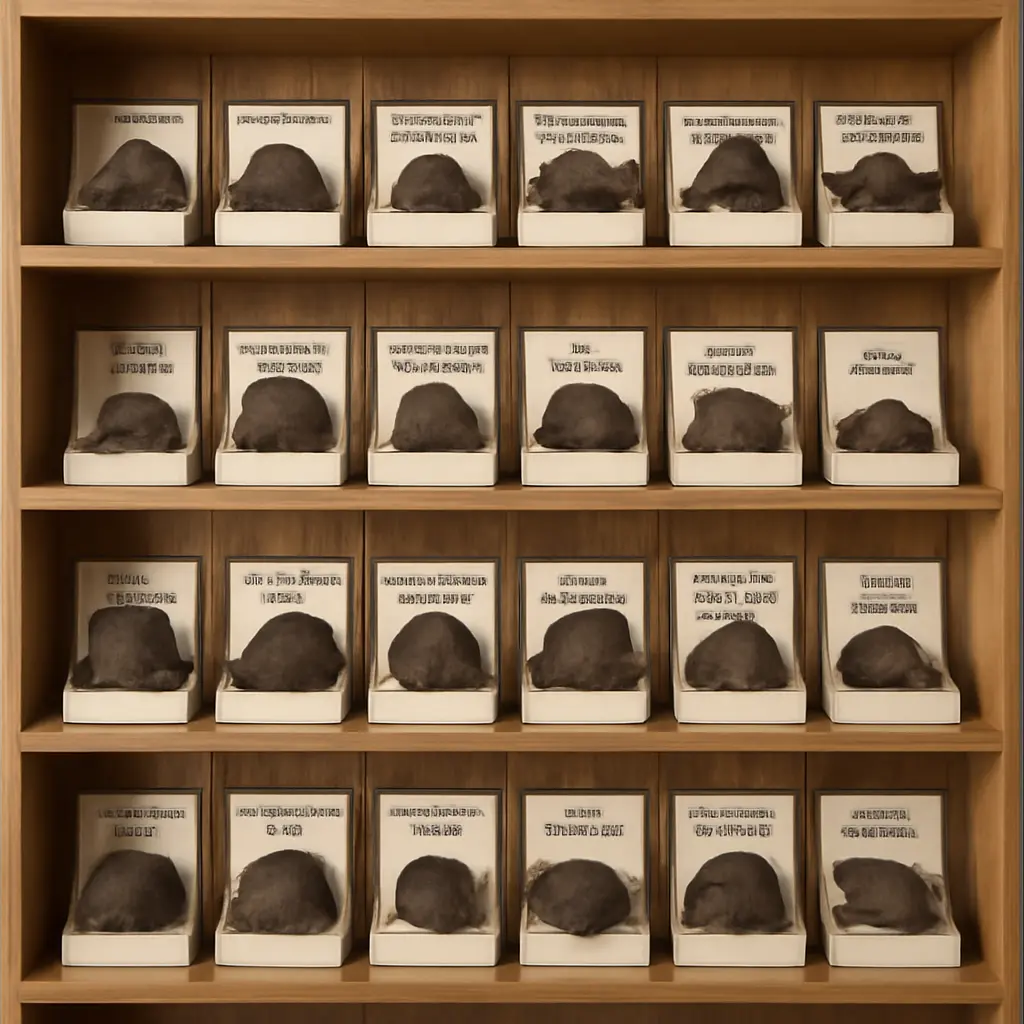
- Keep detailed records: Photograph, log provenance, and store certificates safely.
- Apply risk management: Treat your budget like a bankroll — diversify and avoid high-risk purchases until you have verification skills.
Many collectors find that a stepwise approach reduces regret and leads to a more coherent collection. If you look at how professional reviewers assign обзоры онлайн-казино, they reward transparency, consistency, and documented track record — the same attributes you should expect when choosing a dealer or specimen.
What to spend on and what to avoid
Not every specimen requires a lab certificate. For common meteorites, rely on reputable dealers and community confirmation. Reserve formal testing for pieces that approach higher price tiers or have unusual features.
| Specimen Type | Typical Price Range | Authentication Needed? | Risk Level |
|---|---|---|---|
| Ordinary Chondrite | $20–$200 | Optional | Low |
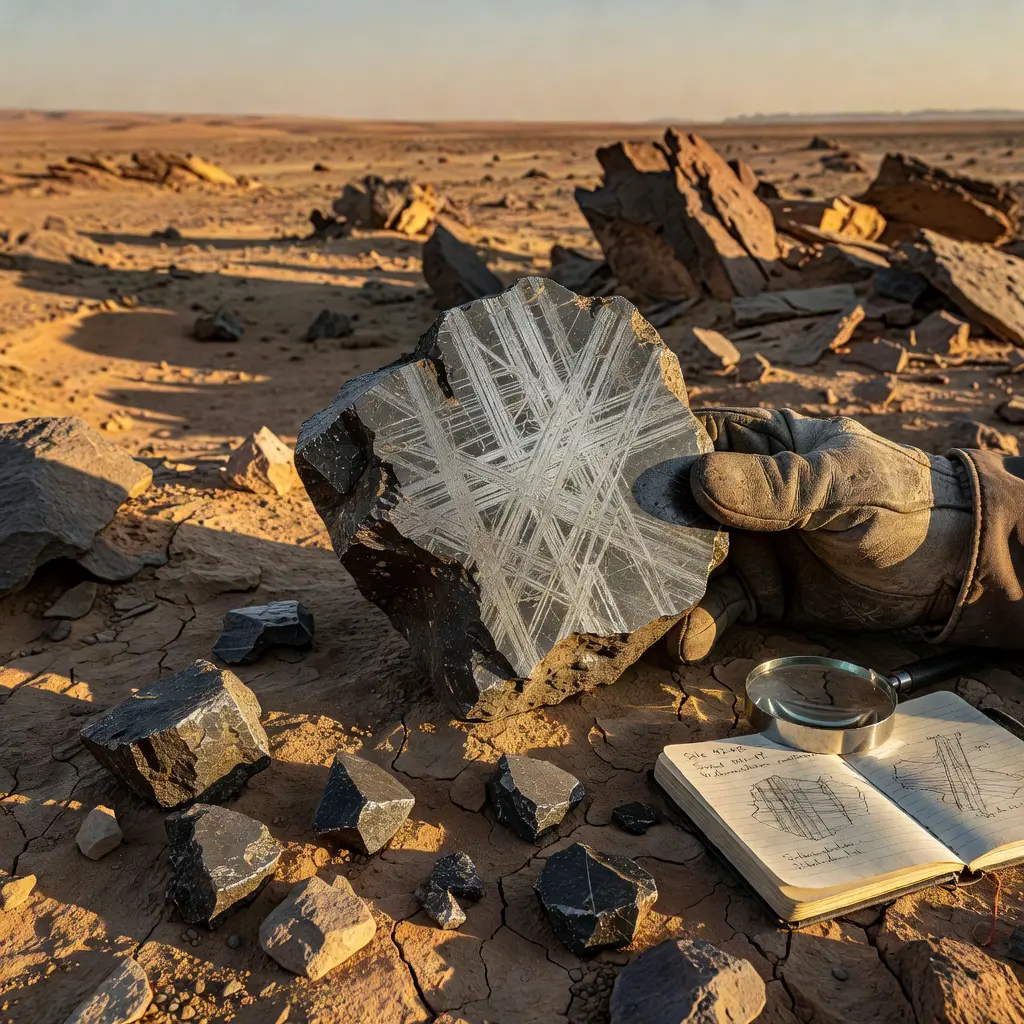
| Iron (sawn) | $50–$600 | Recommended for bigger pieces | Moderate |
| Achondrite / Lunar / Martian | $1,000–$100,000+ | Essential | High |
Tip: The table above shows why new collectors should avoid immediately targeting achondrites or extraterrestrial-named stones without strong provenance: the stakes and the need for authentication jump dramatically.
How to use reviews and reputation — lessons from сравнение казино
When evaluating a dealer or auction, use a similar framework to reading рейтинги онлайн-казино:
- Reputation — How long has the dealer been active? Are there independent references?
- Transparency — Does the seller provide provenance, photos, or test reports?
- Customer feedback — Are buyers satisfied? Are returns and disputes handled fairly?
- Consistent standards — Do they adhere to clear grading and pricing rules?
Applying these criteria helps you avoid emotional purchases driven by "rare item FOMO" and instead develop a collection rooted in verifiable quality. If a dealer rates highly across these dimensions — as platforms that produce reliable обзоры онлайн-казино do for casinos — you gain trust and reduce risk.
Building skills that protect your investment
Focus on hands-on skills and low-cost confirmations:
- Visual ID: Learn to spot fusion crusts, regmaglypts, and metal flecks.
- Magnet test: A simple magnet can distinguish many irons and stony-irons.
- Density checks: Measure mass and volume for rough density estimates.
- Community verification: Post photos to trusted forums before purchase.
Strengthening these skills reduces reliance on expensive certificates and helps you evaluate listings much like comparing сравнение казино to choose a reliable operator rather than the flashiest ad.
Common scams and how to avoid them
Be alert to these red flags:
- Overly vague provenance — No photos or inconsistent stories.
- Extremely low price for rare type — If it sounds too good, it probably is.
- Pressure to buy immediately — Reputable sellers allow time for research and questions.
- No return policy — Legitimate dealers back up authenticity claims.
Warning: High-pressure "exclusive finds" are often the opposite of transparent, much like casinos that hide negative reviews; rely on reputation and documented proof rather than hype.
Where to buy and how to budget
Start with low-cost entry points: natural history museum shops, community swaps, and small reputable dealers. Set a clear budget and divide it into categories: education, common specimens, authentication, and reserve for one special piece when you're ready.
To learn more concrete acquisition strategies and insider processes, check our short guide on insider tips that covers identification, legal pitfalls, and where to search.
Quick comparison: Chasing rares vs. building skills
| Approach | Short-term Cost | Long-term Value | Recommended For |
|---|---|---|---|
| Chasing Rare Meteorites | High | Variable / Risky | Experienced collectors with verification networks |
| Skill-First Collection | Low–Moderate | Steady appreciation and knowledge | New collectors and hobbyists |
Bottom line: Most beginners will see better results by investing in education and modest specimens first. In practice, this reduces the chance of costly errors and increases long-term enjoyment.
Final checklist before any purchase
- Verify seller reputation and transparency.
- Request clear photos and, if needed, lab reports.
- Compare prices with multiple sources and marketplace trends.
- Consider holding off until you can confirm ID with the community.
- Allocate only a small portion of your "collecting bankroll" to experimental buys.
Collecting meteorites should be a rewarding journey. By avoiding the instinct to chase only rare specimens, following a measured plan, and using reputation metrics similar to those used in рейтинги онлайн-казино, you protect your money and build a meaningful, authentic collection that grows in value and in personal satisfaction.
Conclusion — a smarter path for new collectors
Chasing rare meteorites is alluring but often counterproductive for newcomers. Prioritize education, inexpensive but verifiable specimens, and community validation. Treat your budget like a bankroll, lean on trustworthy reputation signals, and only graduate to high-value purchases after you’ve built skills and records. With patience and the right approach, you’ll develop a collection that’s both personally meaningful and resilient against market pitfalls.


Comments
I started with ordinary chondrites and used the magnet test like the article suggested — it saved me from buying a suspicious "rare" iron and taught me what to look for before spending big.
I like the practical steps, but the "Casino review ratings" analogy feels a bit off — gambling sites and meteorite dealers operate differently. Can those same reputation metrics really translate to proving provenance and authenticity?
I started with ordinary chondrites and a simple magnet test saved me from buying a fake iron. Joining a local club helped me learn ID skills before spending big.